Choosing the Right Solar Water Heater Pump Controller for Your System
Solar water heating systems are a smart investment for homes and businesses looking to reduce energy costs. While solar collectors often get most of the attention, the solar water heater pump controller plays an equally important role in system performance. Choosing the right solar water heater pump controller ensures efficient heat transfer, protects system components, and maximises long-term energy savings.
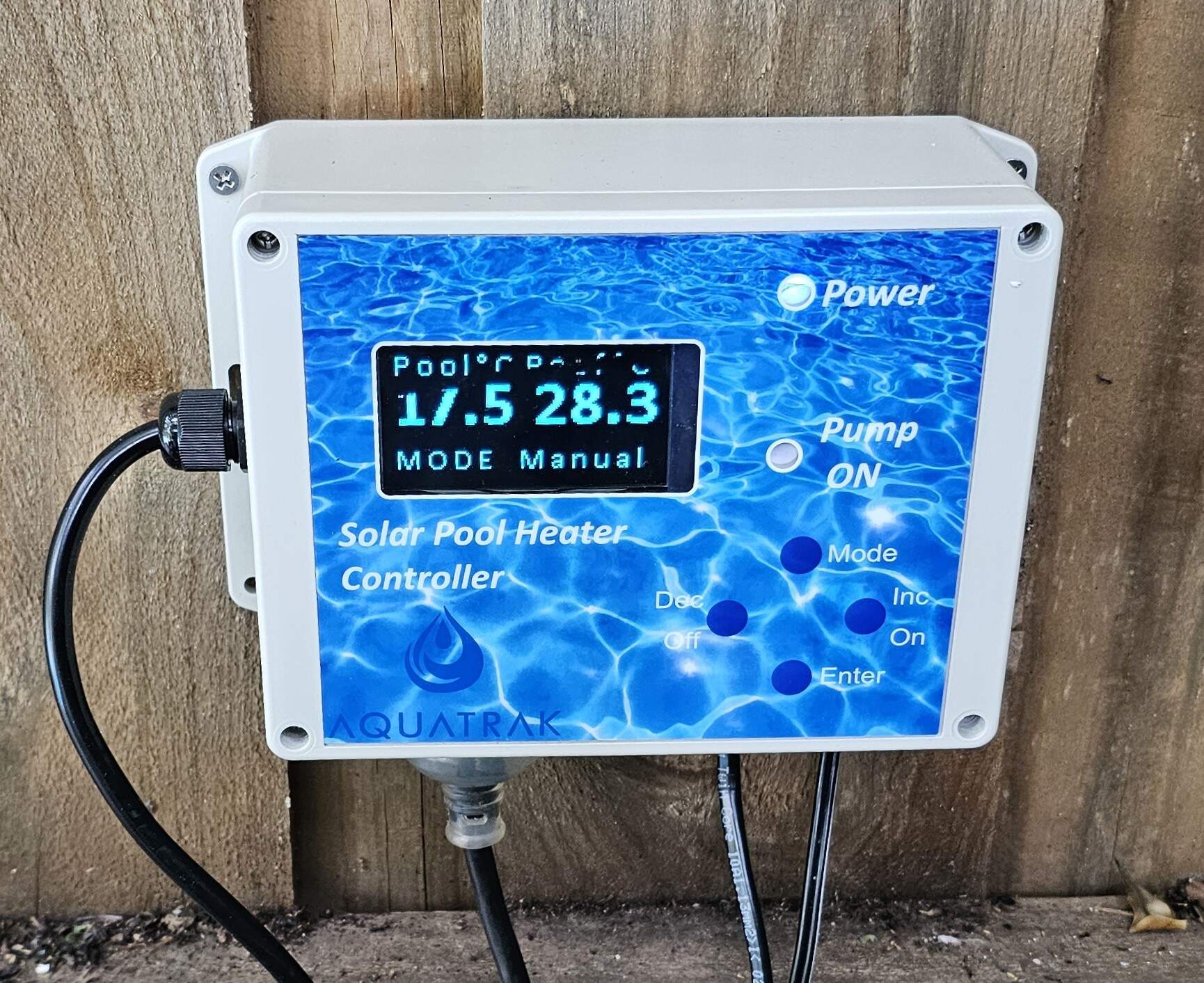
A pump controller acts as the system’s brain. It monitors temperatures at different points and controls when the circulation pump turns on and off. Many modern controllers are developed with the support of electronic design companies, ensuring accurate sensors, reliable logic, and long-term durability. The quality of the controller’s design directly affects how efficiently your solar water heater operates.
Understanding How Pump Controllers Work
A solar water heater pump controller compares the temperature of the solar collectors with the temperature of the storage tank. When the collector is hotter than the tank by a set margin, the controller activates the pump to circulate heated fluid. When the temperature difference drops, the pump switches off to prevent heat loss. This automated control protects the system and ensures energy is used efficiently.
Key Factors to Consider When Choosing a Controller
- System compatibility: Not all controllers suit every system. It is important to choose one that matches your collector type, tank configuration, and pump specifications. Using the wrong controller can reduce efficiency or even damage components.
- Temperature sensor accuracy: Reliable sensors are essential for precise pump control. High-quality controllers use accurate and durable sensors that respond quickly to temperature changes.
- Control features and settings: Advanced controllers allow adjustable temperature differentials, frost protection, overheat protection, and holiday modes. These features improve performance and protect the system under varying conditions.
- Energy efficiency and reliability: A well-designed controller reduces unnecessary pump operation, saving electricity and extending pump life. Consistent performance also reduces maintenance needs.
By considering compatibility, sensor accuracy, control features, and safety functions, you ensure efficient operation and long-term reliability. A well-chosen controller turns a good solar water heating system into a truly efficient and dependable energy solution.


Comments
Post a Comment